Built-In Furniture: Designing Permanence Within Change
Built-In Furniture: Designing Permanence Within Change
Built-in furniture anchors an interior: it shapes circulation, defines storage logic, and gives rooms a sense of purpose. In renovation, built-ins are a tool for creating lasting value, but they must be designed with humility—anticipating changing use, facilitating repair, and avoiding overcommitment to a single layout. This essay explores strategies for designing built-ins that feel permanent without constraining future change.
Clarify purpose before permanence
Begin with a clear brief: what tasks should the built-in support, and who will use it? A reading bench requires different detailing than an entertainment wall or a kitchen bank. Use observation to refine the brief—note where informal seating or storage already occurs and how people adapt small nooks. Built-ins that formalize existing behavior are more likely to be adopted and sustained.
Modularity within fixed frames
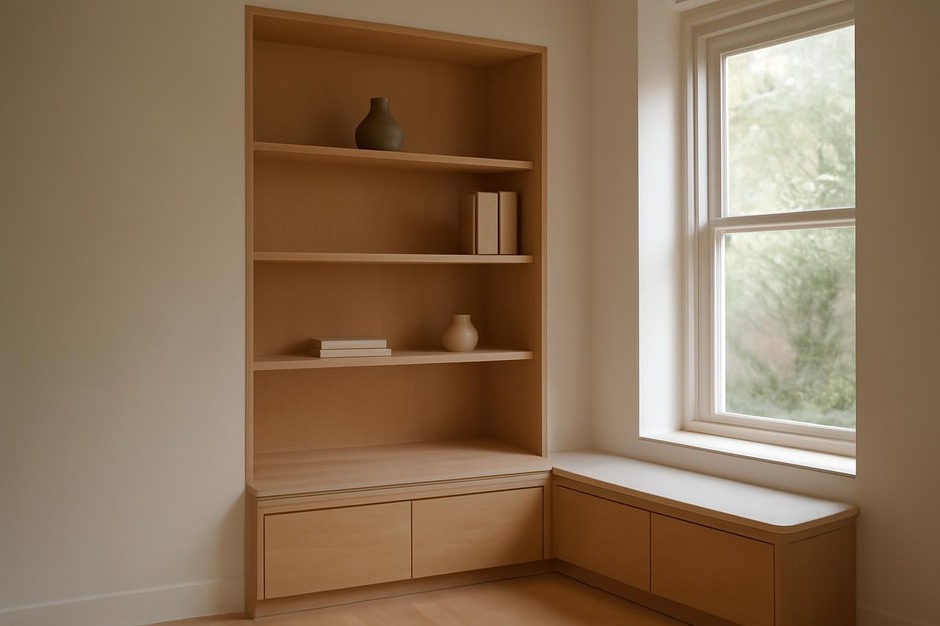
One effective strategy is to combine a fixed structural frame with modular, replaceable internal elements. For example, a continuous timber surround can hold interchangeable shelving, drawers, or pull-out surfaces. This approach preserves the visual and spatial benefits of permanence while allowing the occupant to modify internal function without removing the whole piece.
Material and joinery choices
Choose materials and joinery that support longevity and repair. Solid timber or plywood with clear, mechanical fixings permits disassembly and refinement. Avoid hidden adhesives in critical structural components; instead, use screws and bolts that can be accessed and serviced. Finishes should be selected for local wear: edges and seats need more robust protection than back panels and dividers.
Integration with building fabric
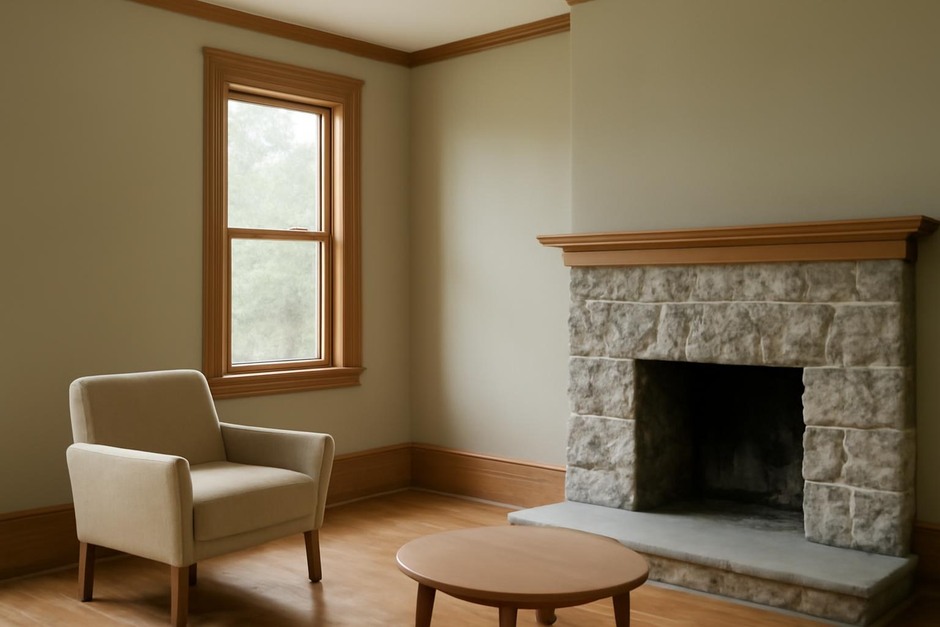
Built-ins succeed when they respect existing structure. Use wall studs, alcoves, and chimney breasts as anchors rather than creating new loads that complicate future work. Where built-ins abut windows or radiators, detail gaps and movement joints so that the furniture can be removed if necessary without damaging the fabric of the building.
Proportions and human scale
Pay attention to scale. Built-ins that are too deep or too tall dominate a room and hinder flexibility. Favor human proportions: seat heights, shelf depths, and reach ranges should align with ergonomic norms. Remember that spaciousness often comes from restraint; a series of modest, well-scaled built-ins across a house can feel more adaptable than a single dominating wall unit.
Anticipate changing technology and use
Built-ins in living areas must accommodate evolving technology. Design service cavities for wiring and ventilation, and avoid hard-to-access sealed compartments for electrical components. For cases where technology will change frequently—media centers or home offices—favor modular bays that can be reconfigured quickly.
Visibility and patina
Decide which surfaces will age and which will remain pristine. Built-ins often accrue decoration and use; leaving some surfaces unfinished or subtly textured gives room for patina to develop. Preserve edges and hand-contact points with more durable finishes. Where appropriate, design for removable kick panels or seat covers to maintain a fresh appearance with minimal intervention.
Built-in furniture is a discipline of restraint and foresight. When executed with regard for repairability, modularity, and human scale, built-ins provide an enduring framework that supports changing needs. They give renovated spaces an anchored quality without foreclosing future life, and they reward careful observation in both design and use.