Colour Decisions in Adaptive Reuse: Palette, Scale, and Atmosphere
Colour Decisions in Adaptive Reuse: Palette, Scale, and Atmosphere
Colour is a powerful lever in adaptive reuse. It can reconcile disparate materials, reduce perceived clutter, and modulate the scale of rooms. Unlike finishes that require structural change, colour is reversible and therefore an ideal tool for negotiating between a building’s past and its contemporary use. This essay outlines practical strategies for selecting palettes that honor existing fabric while creating a coherent atmosphere for renewed life.
Start with a material inventory
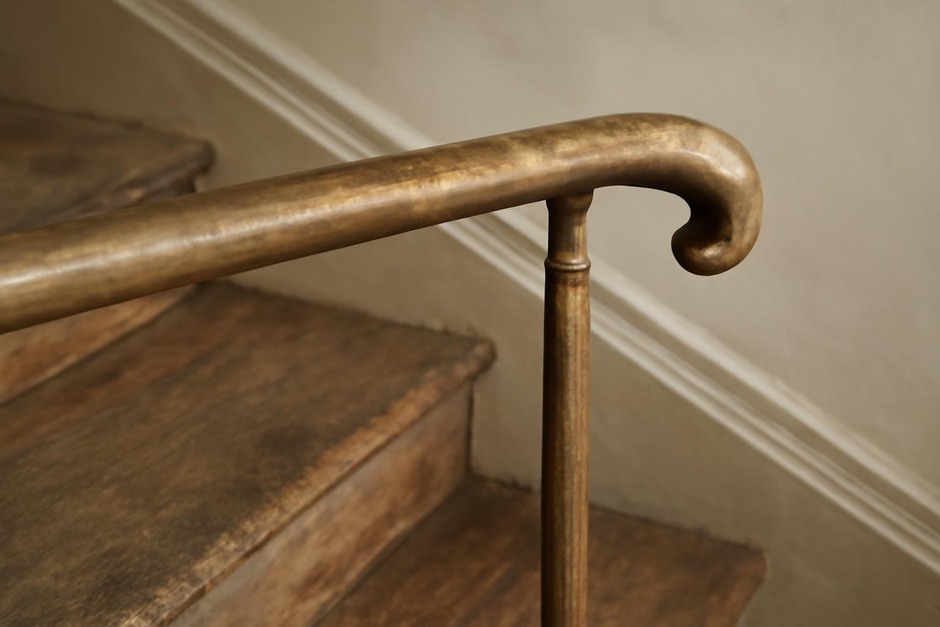
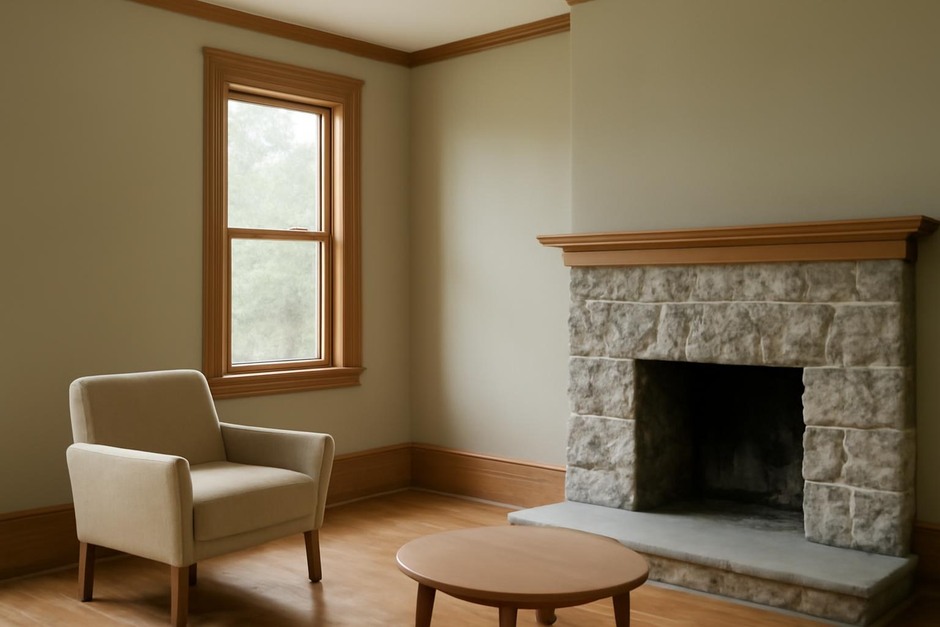
Before choosing a palette, inventory the surfaces that will remain: brick, timber, stone, plaster, metal. Each material has inherent hues and textures that will interact with paint. For example, warm red brick suggests a different supporting palette than cool cement. Identify dominant tones and use them as anchors for your colour decisions rather than attempting to paint over every material in the same way.
Scale and light
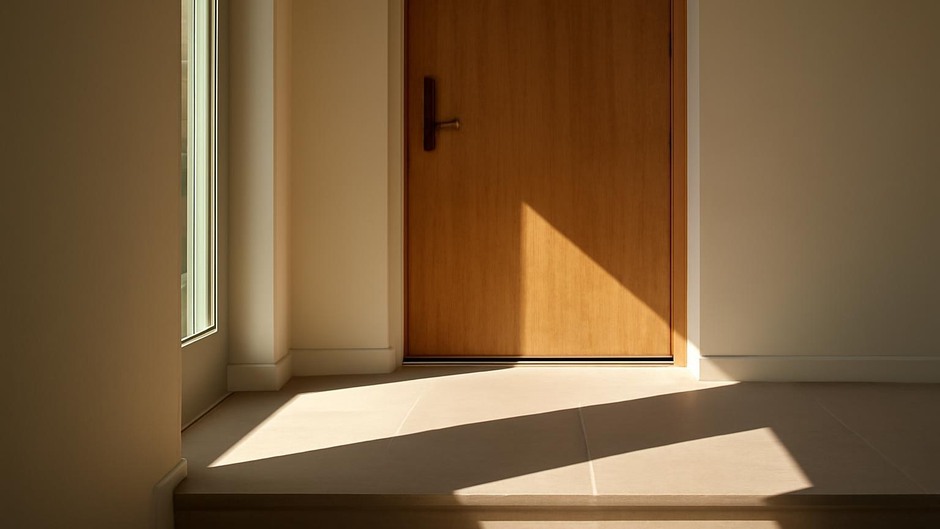
Colour behavior changes with scale and light. Small rooms can feel compressed under dark colours unless balanced by light-reflective surfaces. High ceilings can be softened with mid-tone colours that reduce perceived volume. When working in adaptive reuse, estimate the natural light levels at different times of day and choose paint sheens and tones that maintain legibility. Matte finishes tend to absorb glare and reveal texture; eggshell or satin can help in higher-traffic areas where cleanability matters.
Palette strategies
Consider three pragmatic palette strategies:
- Harmonize: Choose a palette that harmonizes with existing materials, using undertones that echo timber warmth or masonry coolness. This creates a seamless feel where new paint supports the old fabric.
- Contrast: Use a limited but bold contrast to highlight new insertions or circulation paths. Contrasts work best when applied sparingly to avoid visual fragmentation.
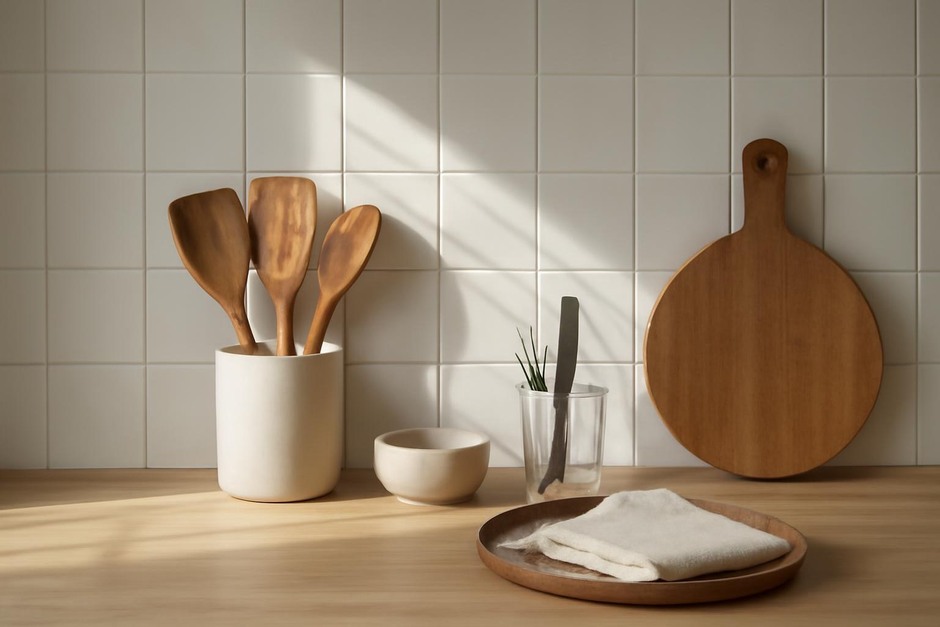
- Neutral scaffolding: A restrained neutral base allows furnishings and objects to provide colour. This is useful in adaptive reuse projects where programme or occupancy will vary.
Transitions and joinery
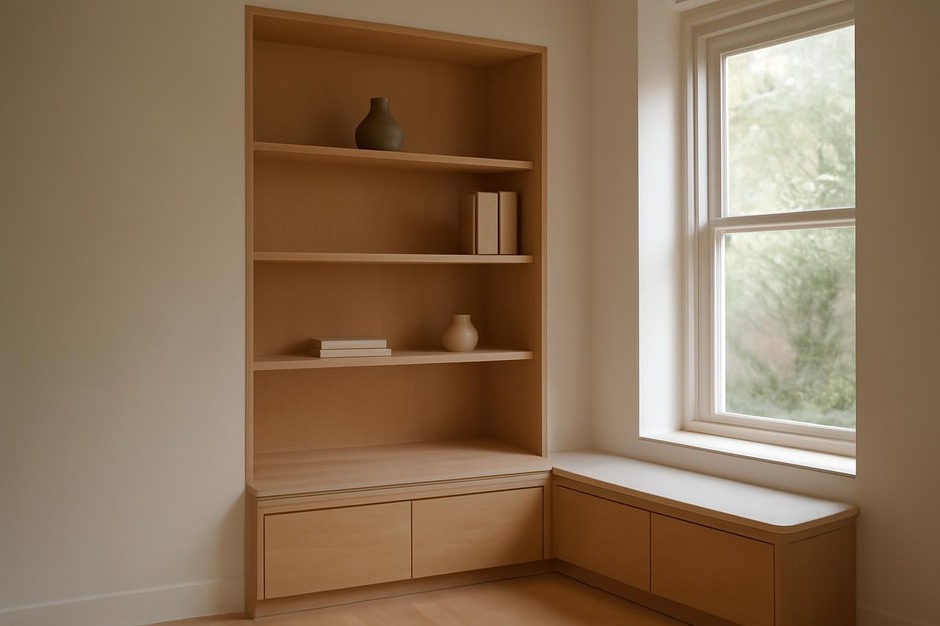
Paint is a useful way to unify joinery and altered elements. Painting window frames, skirtings, or built-ins in a common tone reduces the visual complexity of a room and can make necessary modern interventions feel deliberate. However, keep trim and walls in complementary or related tones to maintain depth and avoid a toy-like uniformity.
Using colour to read history
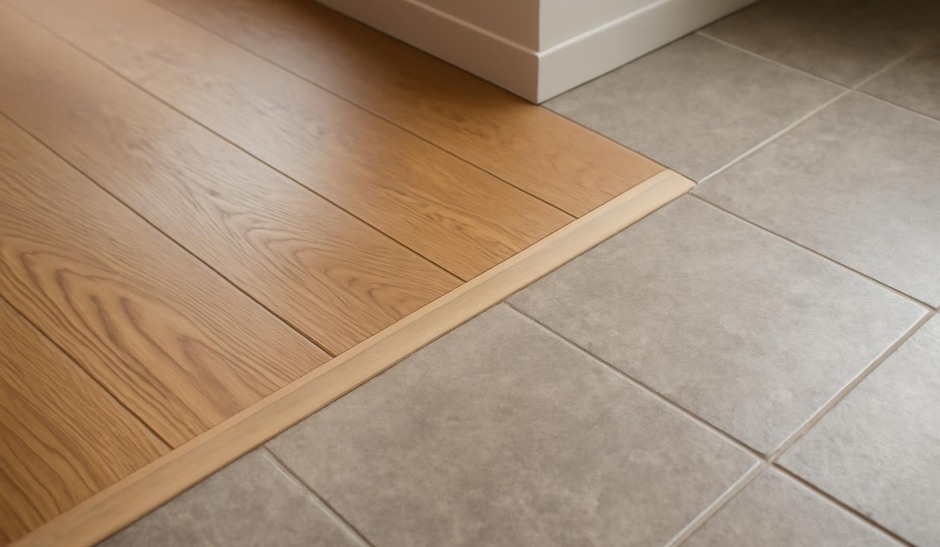
Colour can also be a tool for reading history. Retain or reveal layers of paint where appropriate as evidence of previous moments. Where a clean break is chosen, use colour to frame the new narrative: a subtle change in tone at a partition can announce a shift in era and use while still preserving an overall cohesion.
Practical testing and long-term considerations
Always test colours on site. Paint samples behave differently across surfaces and under different lights. Observe samples at multiple times of day and across seasons. Anticipate maintenance: darker colours may show dust, while pale tones can reveal scuffs. Select finishes and paint types suited to expected wear—durable, washable paints in high-traffic areas, and softer finishes where texture is important.
Colour in adaptive reuse is a negotiation between what is kept and what is made new. Thoughtful palettes do not mask history; they place it in conversation with contemporary needs. By beginning with materials, considering scale and light, and testing repeatedly, you can create atmospheres that respect the past while making spaces ready for new routines.