Kitchen as Instrument: Object Arrangement and Everyday Use
Kitchen as Instrument: Object Arrangement and Everyday Use
The kitchen is an instrument for daily life: a calibrated set of surfaces, tools, and storage that together produce meals, hospitality, and repairable routines. Renovation often focuses on cabinets and appliances, but the placement of small objects and the choice of surface materials ultimately determine how the kitchen performs. This essay considers the kitchen as a system and offers observational approaches to arranging objects so the space supports both ordinary tasks and moments of care.
Inventory before layout
Before altering cabinets or repositioning worktops, make an inventory of the objects that see daily use. Group utensils by frequency: immediate tools (spoons, knives), near-term items (cutting boards, mixing bowls), and occasional implements (zesters, party platters). These categories should map directly to storage proximity. Immediate tools belong near the prep surface; near-term items should be accessible but not clutter the work area.
Surface hierarchy
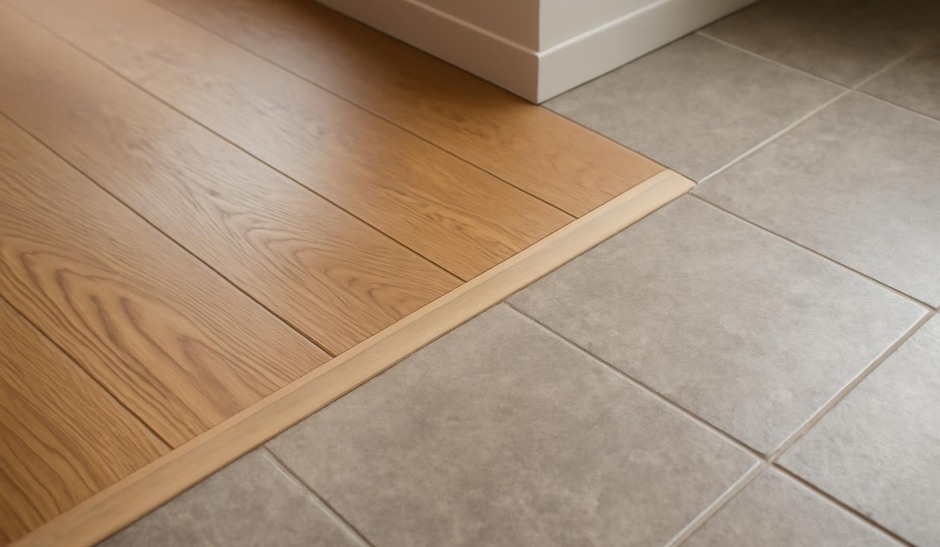
Surfaces in the kitchen operate at different scales and maintenance expectations. A durable, easily sanded wood block suits chopping; a dense, stain-resistant surface is preferable near the sink; a warm, matte finish supports a comfortable serving counter. In renovation, aim for a hierarchy that reflects activity: the primary prep area should be robust and reparable; adjacent surfaces can be more delicate and decorative. This approach allows the kitchen to take wear without accelerating material failure.
Arranging for workflow
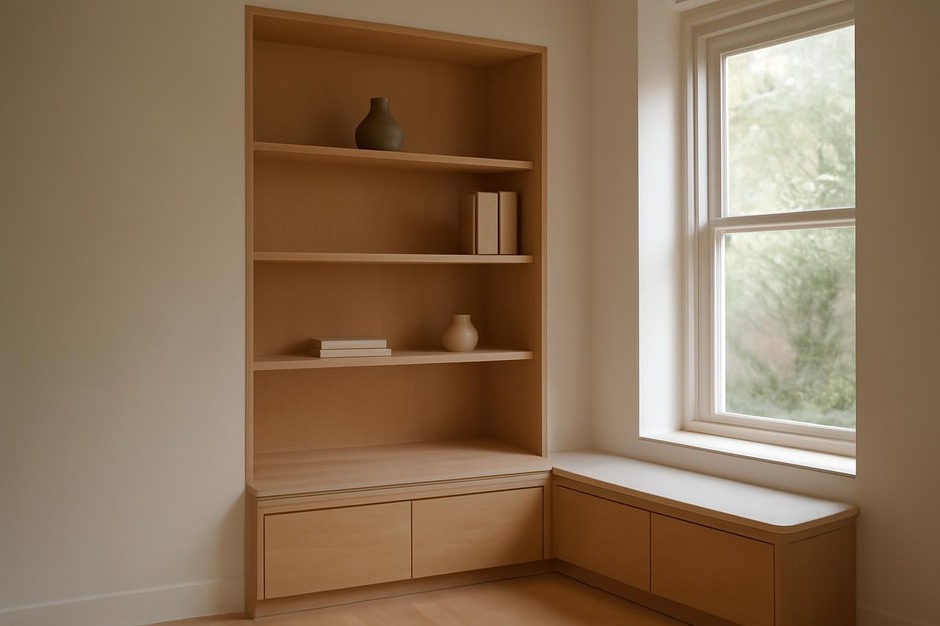
The classic work triangle remains useful but incomplete. Modern kitchens are punctuated by zones: unloading, prep, cooking, plating, cleaning. Place frequently used tools within the immediate radius of their zone. For example, keep frequently used pans near the stove, but keep lids and trivets in a separate nearby drawer to avoid congestion. Vertical storage—rails, magnetic strips, open shelves—can keep tools in view and off the counter, supporting rapid transitions between tasks.
Repairability and adaptability
Design choices should foreground the possibility of repair. Simple hardware that can be replaced, modular shelving that can be reconfigured, and surface materials that accept spot repairs extend the life of a renovated kitchen. Avoid permanent joins where possible in favor of mechanical fixings. A kitchen that can be easily altered supports evolving routines and reduces the need for future disruptive renovations.
Object composition and visual order
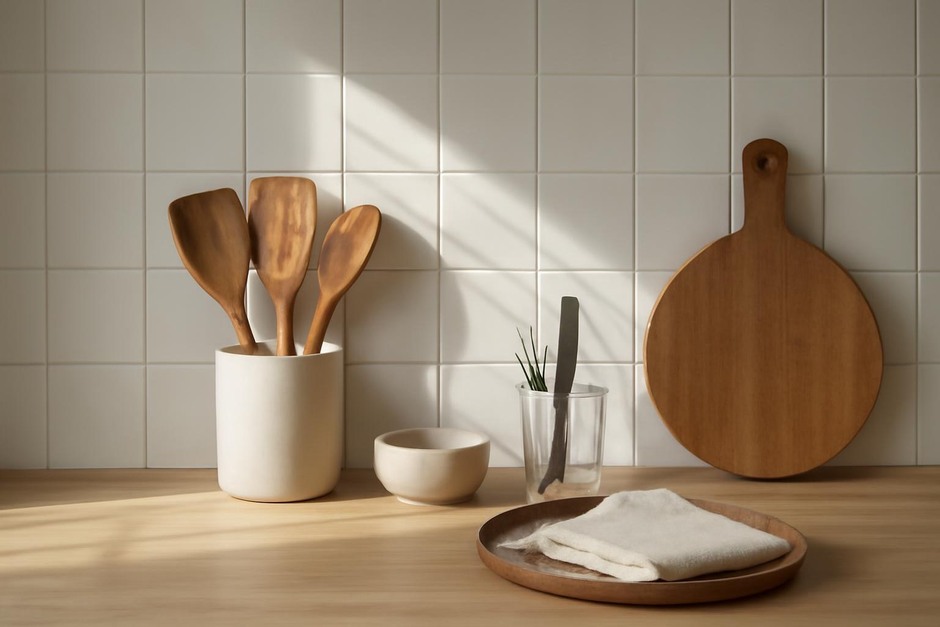
Visual calm supports efficient movement. Group similar objects and keep open storage visually restrained by limiting the number of visible items. Use trays and shallow baskets to corral small items and create tidy compositions that are easy to clear. Consider the colour and material of frequently visible objects; consistent tones across utensils and containers reduce visual clutter and help the eye find tools quickly.
Lighting and task clarity
Task lighting is essential. Even with strong daylight, under-cabinet lighting reduces shadow on prep surfaces and clarifies texture—important when chopping or measuring. Warm, directional light improves colour judgement for cooking, while diffuse ambient lighting supports overall comfort. When renovating, integrate lighting into the cabinetry or underside of shelves to keep work areas uniformly legible.
Daily rituals and maintenance
Finally, observe daily rituals. Notice where clutter accumulates, which drawers are opened most frequently, and where small repairs are commonly needed. These observations point to adjustments that increase efficiency without wholesale redesign: reposition utensils, add a small waste station, or install hooks where bags and aprons naturally hang.
Thinking of the kitchen as an instrument reframes renovation decisions. Rather than chasing a single aesthetic, prioritize arrangement, repairability, and a clear hierarchy of surfaces and objects. The result is a space that performs, ages gracefully, and supports the everyday practices that make a house feel lived-in and cared for.