Material Memory: Reading Patina in Renovated Interiors
Material Memory: Reading Patina in Renovated Interiors
Patina is often spoken of as an aesthetic preference, but it is first a record: a subtle register of use, repair, and touch. In renovation, the decision to remove, preserve, or retouch a surface is a decision about history and future use. This essay outlines a practical approach to reading patina, weighing factors such as material resilience, legibility, and the story a surface tells within a larger interior composition.
What patina communicates
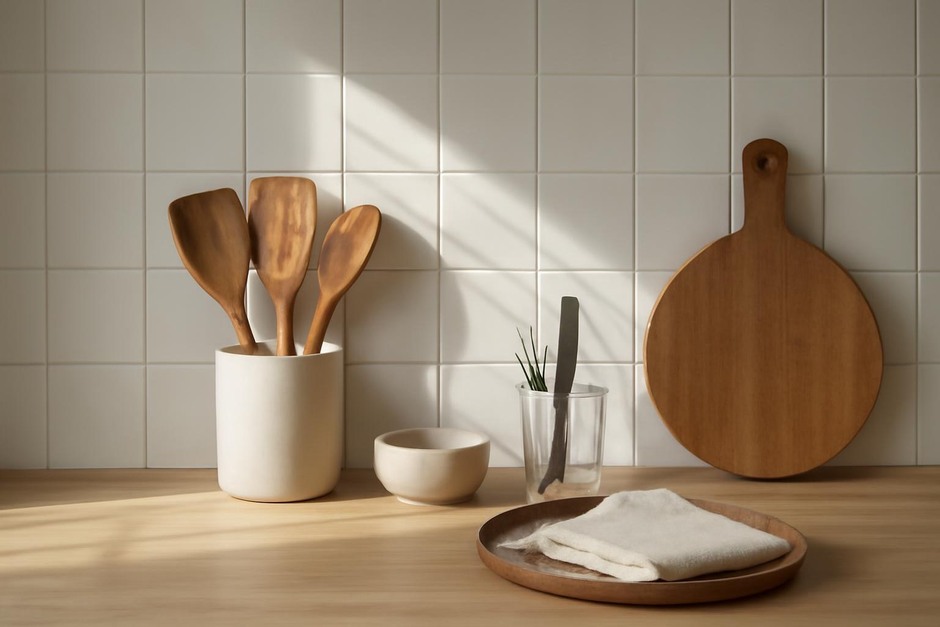
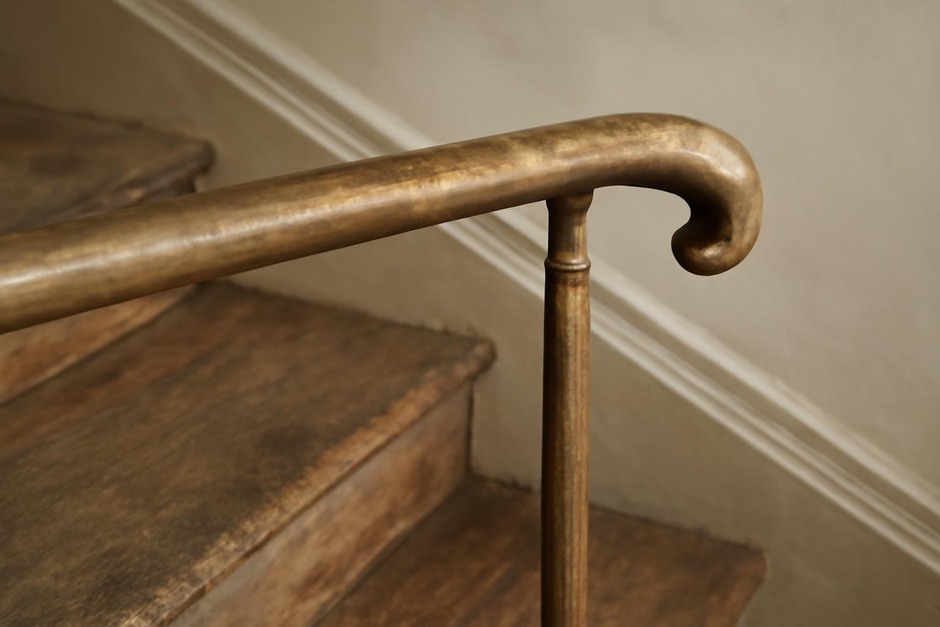
Patina communicates several things at once. It signals the material’s durability—how a brass fitting wears in a particular climate or how timber darkens in areas of frequent handling. It marks behavior: the path of a hand along a stair rail, the sheen where a kitchen counter sees repeated chopping. It also indexes care. A consistent, even wear pattern suggests long-term maintenance; a patchy or repaired surface suggests adaptation or inconsistent interventions.
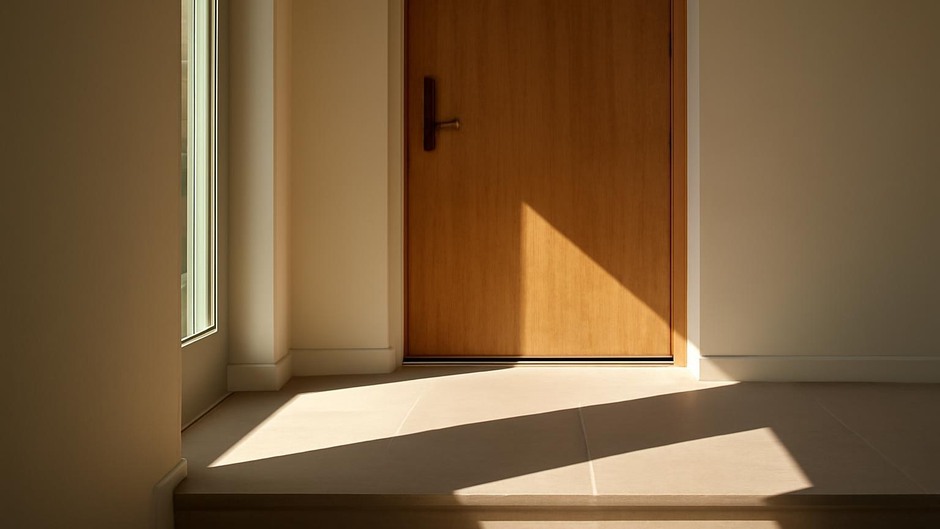
When approaching a renovation, begin by cataloguing these signs. Look for rhythms: repeated marks at predictable heights, fading where sunlight falls through a window, or abrasions aligned with habitual use. These are not merely imperfections to be eradicated but clues for functional design decisions.
Deciding what to keep
The choice to retain patina is rarely purely sentimental. Consider three practical criteria: structural integrity, legibility, and programmatic fit.
- Structural integrity: Is the material sound? A worn floorboard can be characterful but may be unsafe or unstable. If reinforcement is possible without erasing the visible age, preservation is often valuable.
- Legibility: Does the patina tell a coherent story? Even wear that reads as a pattern—such as corridor scuffing—can anchor the room visually. Random damage that distracts from use or creates confusion about intended circulation may be better addressed.
- Programmatic fit: Does the surface suit the new or existing use of the space? A former industrial surface repurposed for a domestic setting may need surface treatment to reconcile scale and hygiene considerations.
Methods for sensitive intervention
When preservation is desirable, choose methods that respect the original finish. Cleaning should be conservative: remove surface grime before deciding on more invasive action. Localized repairs can retain the overall matrix of wear. For metals, controlled polishing will reveal underlying character without creating an alarmingly bright spot. For wood, selective sanding and oiling can stabilize fibers while preserving edges and corners that record years of contact.
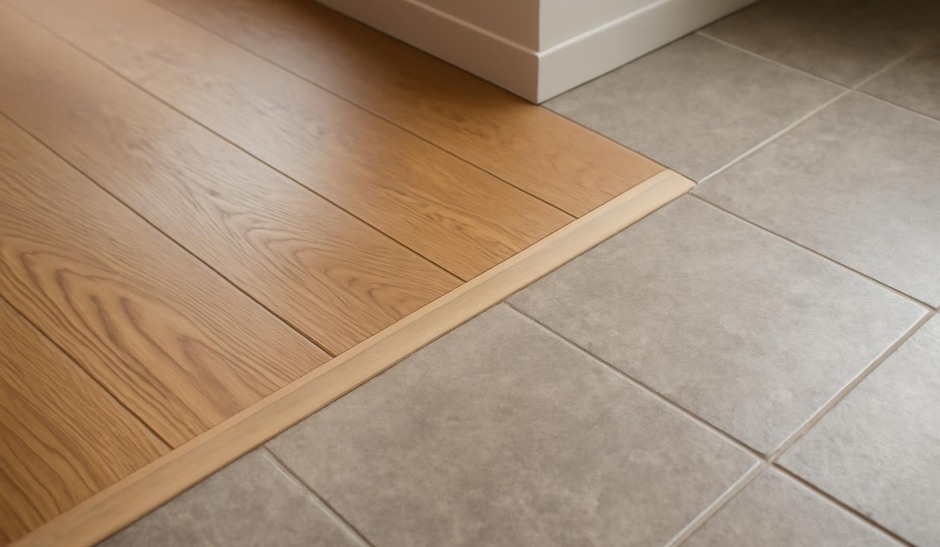
Where alteration is necessary, aim to maintain continuity. New materials can be chosen to harmonize in tone and texture rather than to match exactly. A repaired threshold, for example, need not be indistinguishable if its material choices echo the geometry and weight of the original.
Patina as a design resource
Patina can guide material selection for additions or repairs. Use it as a palette: observe the dominant hues and sheen levels and choose complementary finishes for new elements. Patina also informs lighting and spatial decisions—areas that have aged into softer tones may benefit from cooler artificial light to avoid masking their subtlety, while shiny surfaces might be toned down to reduce glare.
Finally, consider patina as a narrative device. In a renovation that values continuity, preserving selective traces reinforces memory and occupant identity. In a project aiming for a clear break, deliberate removal becomes a way of signaling change. Both choices are valid when made intentionally and with attention to the material facts.
Reading patina is a skill that combines practical assessment with aesthetic sensitivity. It asks renovators to slow down, to map wear and touch as a form of evidence, and to use that evidence to make interventions that respect both the past and the likely future of a space.